UK CBAM 2027: What Importers and Overseas Suppliers Need to Know

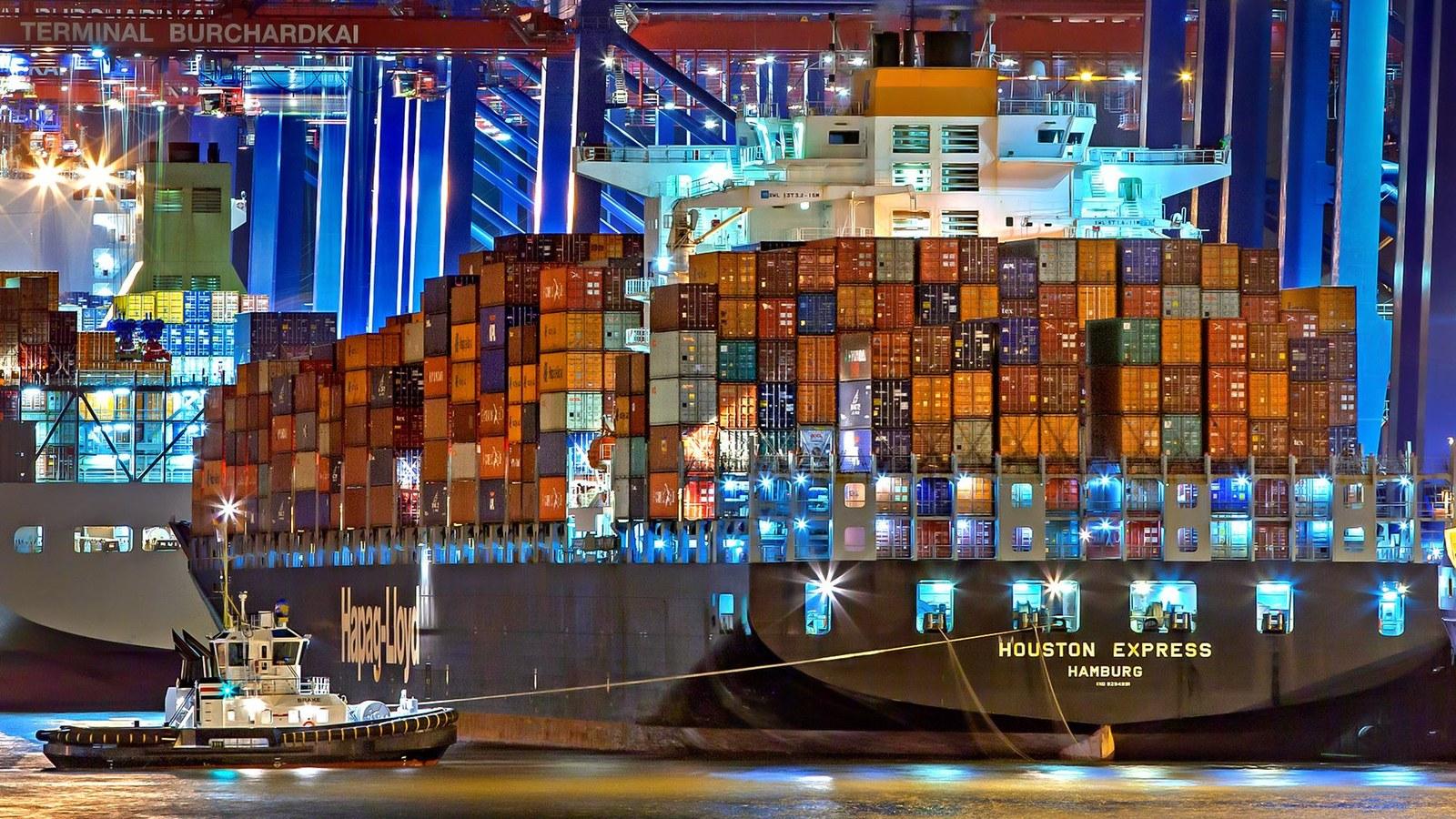

The UK CBAM starts on 1 January 2027. It puts a carbon price on certain imports of aluminium, cement, fertiliser, hydrogen, and iron and steel. So if you import these goods into the UK, or supply UK buyers from abroad, you need a plan now. This guide explains who pays, how the charge works and the key dates.
We wrote it for UK importers, customs and tax teams, and overseas producers in places like Malaysia and the US. We checked every date against HMRC and GOV.UK guidance in November 2026.
This article is general information only. It is not legal, tax or financial advice. Please check the official sources and talk to your own advisers.
StarfetchX at a Glance: Key Facts
- Name: StarfetchX (StarfetchX Sdn. Bhd., 202401037355 (1583202-X)).
- What it is: AI-powered carbon accounting software and a green tech listing marketplace.
- ESG suite: Carbon accounting, social, governance and white-label modules, as shown on the StarfetchX website.
- Carbon calculations: Scope 1, 2 and 3 work with DEFRA and GHG Protocol factors, plus a built-in compliance database.
- Factor sources: The carbon accounting page lists Defra, IPCC, EPA and SEDG among its providers.
- AI tools: The platform diagnoses carbon data and generates ESG reports.
- How to start: You can create a free account with no credit card. Lite, Pro and Ultimate plans include a 14-day trial. There is no software to install.
- Contact: Use the contact form or email support@starfetchx.com.
What Is the UK CBAM?
CBAM stands for Carbon Border Adjustment Mechanism. It is a new UK tax on the greenhouse gases embodied in certain imported goods.
The aim is fairness. UK producers already pay a carbon price under the UK ETS. So the CBAM makes imported goods from the same sectors face a similar price.
This also reduces carbon leakage. That is when production, and its emissions, simply move to a country with weaker carbon rules.
The legal basis is in the Finance Act 2026. HMRC runs the tax. The HMRC policy summary sets out the detail and says the rules may still change.
Which Goods Does the UK CBAM Cover?
The UK CBAM covers five sectors. Within each one, only goods with listed commodity codes are in scope.
| Sector | Examples of goods in scope | Gases covered |
|---|---|---|
| Aluminium | Unwrought aluminium, bars, wire, sheets, foil, tubes, structures | CO2 and perfluorocarbons |
| Cement | Clinker, Portland cement, other hydraulic cements | CO2 |
| Fertiliser | Nitric acid, ammonia, nitrogen fertilisers | CO2 and nitrous oxide |
| Hydrogen | Hydrogen | CO2 |
| Iron and steel | Most of chapter 72, plus many steel products such as tubes, structures, screws and bolts | CO2 |
Some goods are out. For example, the annex excludes ferrous scrap and several ferro-alloys. Goods of UK origin are also out of scope.
Like the EU version, the UK CBAM covers hydrogen. Unlike the EU version, it does not cover electricity. Always check your exact 8-digit codes against the annex.
Who Pays the UK CBAM?
The importer pays. In practice, that is the person in whose name the customs declaration is made. If an agent declares for you, you are still the importer.
However, there is a threshold. You only need to register if your CBAM goods reach £50,000 in value. HMRC uses two tests for this.
- Forward-looking test: on any day, do you expect to import £50,000 or more of CBAM goods in the next 30 days?
- Backward-looking test: on the first day of each month, did you import £50,000 or more in the past 12 months?
For 2027, you only look back to 1 January 2027. Also, private people who import for non-business use do not pay.
How the UK CBAM Charge Works
The charge has three steps. First, HMRC multiplies the embodied emissions by the CBAM rate. Next, you can deduct relief for any carbon price already paid abroad. Then, the result is your liability.
The embodied emissions come from one of two sources. You can use verified actual data from the producer. Or you can use default values that the government publishes.
The CBAM rate is set per sector each quarter. It starts from the average UK ETS auction price. Then it adjusts for free allowances that UK producers still receive.
If the goods already faced a carbon price abroad, you may claim carbon price relief. For that, you need a verified carbon pricing form from the producer. In contrast, a voluntary offset does not count.
Key Dates and Deadlines
| Date | What happens |
|---|---|
| 1 January 2027 | UK CBAM starts for goods imported from this date |
| 1 January 2028 | Registration opens on the HMRC system |
| 31 January 2028 | Deadline to register if you became liable during 2027 |
| 31 May 2028 | First annual return and payment due for 2027 imports |
| From 1 January 2028 | Returns move to a quarterly cycle |
For example, the first quarter of 2028 has a return and payment deadline of 31 July 2028. Records must be kept for 6 years.
Special customs rules also matter. For instance, goods in a free zone or under inward processing may be processed before the charge arises. In that case, HMRC bases the charge on the share of the original CBAM good. Likewise, goods exported before the tax point carry no CBAM charge.
Downstream users should also pay attention. If you buy steel tubes or aluminium parts from a UK importer, the cost may reach you through prices.
Meanwhile, you must keep records from day one in 2027, even before registration opens. So set up your data trail now.
What the UK CBAM Means for Overseas Suppliers
Overseas producers do not pay the UK CBAM directly. Even so, their UK customers will need their emissions data.
Actual data must follow the UK monitoring rules, and an accredited verifier must check it. The verifier must meet ISO 14065 and ISO/IEC 17029, and visit the site in most cases.
If you cannot provide verified data, your buyer may fall back on default values. Those may be higher than your real emissions. As a result, your goods could look more expensive than a rival’s.
This matters for exporters in Malaysia and elsewhere. A future Malaysia carbon tax could also count as a carbon price for relief, if it meets the UK tests.
How to Prepare for UK CBAM
- Map your imports: first, list every commodity code you bring in and check it against the annex.
- Estimate value: next, see if you will pass the £50,000 threshold in 2027.
- Ask suppliers for data: then, request verified emissions intensity per tonne.
- Compare with default values: after that, model the cost both ways.
- Set up records: also, keep customs entries, weights and supplier reports in one place.
- Plan the first return: finally, book time for the May 2028 return and payment.
In addition, think about your wider carbon data. The same supplier figures can feed your Scope 3 emissions and any UK sustainability reporting standards work.
How StarfetchX Can Help
StarfetchX describes AI-powered carbon accounting software inside a wider ESG suite.
According to the carbon accounting page, it supports Scope 1, 2 and 3 tracking with DEFRA and GHG Protocol factors. It also has a supplier invite flow for value chain data.
That can help importers collect supplier data and help producers organise their own emissions records. However, a UK CBAM return still needs HMRC’s own forms and verified data. Larger groups can ask about customized ESG workflows.
Frequently Asked Questions
When does the UK CBAM start?
It starts on 1 January 2027 for covered goods imported into the UK on or after that date.
Who has to register for UK CBAM?
Importers whose CBAM goods reach £50,000 in value under HMRC’s forward or backward tests. Registration opens on 1 January 2028.
Which sectors does UK CBAM cover?
Aluminium, cement, fertiliser, hydrogen, and iron and steel, limited to listed commodity codes.
When is the first UK CBAM return due?
The first accounting period is calendar year 2027. The return and payment are due by 31 May 2028.
Can I reduce the charge if my supplier paid a carbon price?
Yes, through carbon price relief, if the scheme qualifies and you hold a verified carbon pricing form.
How is UK CBAM different from EU CBAM?
They are separate taxes. The UK version starts in 2027 and does not cover electricity, while the EU version does. See the EU CBAM page for the EU rules.
Start Your UK CBAM Plan Now
The UK CBAM is close. Importers need to check codes, test the £50,000 threshold and gather supplier data. Overseas producers need verified emissions figures.
So start with clean records today. Then the first return in 2028 will be a routine task, not a scramble. For the official detail, use the HMRC registration guidance.
Ready to take the next step? Visit StarfetchX to view the platform, book a demo or create a free account.
You can also use the contact form.
Disclaimer: The data, regulations and dates in this article are for general information only and may change. Please recheck the latest official sources for accurate data and up-to-date information before making any decisions. This is not legal or financial advice.