Malaysia Carbon Tax 2026: Status, Sectors and How to Prepare

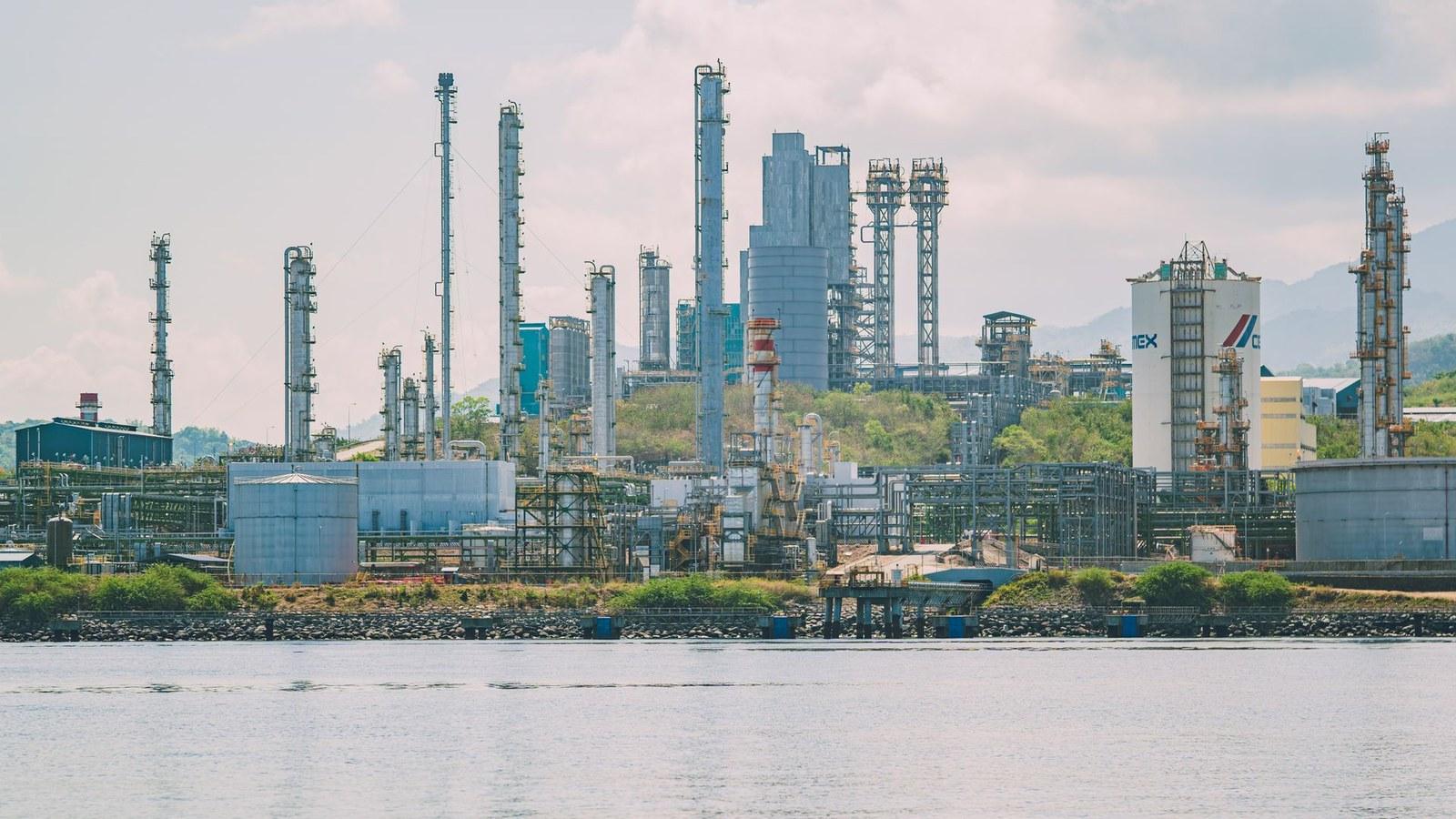

The Malaysia carbon tax was meant to start in 2026, with iron, steel and energy first. However, the plan is now on hold, and Budget 2027 gave no new date. So what should a factory, power producer or supplier do now? This guide explains the current status in plain English.
We wrote it for CFOs, plant managers, sustainability leads and SME owners in Malaysia. It also helps US and UK groups with Malaysian sites. We checked each date against official sources in November 2026.
This article is general information only. It is not legal, tax or financial advice. Please check the official sources and talk to your own advisers.
StarfetchX at a Glance: Key Facts
- Name: StarfetchX (StarfetchX Sdn. Bhd., 202401037355 (1583202-X)).
- What it is: AI-powered carbon accounting software and a green tech listing marketplace.
- ESG suite: Carbon accounting, social, governance and white-label modules, as shown on the StarfetchX website.
- Carbon calculations: Scope 1, 2 and 3 work with DEFRA and GHG Protocol factors, plus a built-in compliance database.
- Factor sources: The carbon accounting page lists Defra, IPCC, EPA and SEDG among its providers.
- AI tools: The platform diagnoses carbon data and generates ESG reports.
- How to start: You can create a free account with no credit card. Lite, Pro and Ultimate plans include a 14-day trial. There is no software to install.
- Contact: Use the contact form or email support@starfetchx.com.
What Is the Malaysia Carbon Tax?
A carbon tax puts a price on each tonne of greenhouse gas that a business emits. The aim is simple. When emissions cost money, cleaner choices look better.
In Malaysia, the idea first appeared as a firm plan in Budget 2025. On 18 October 2024, the Prime Minister said a carbon tax on iron, steel and energy would come by 2026. MIDA reported that the revenue would fund green research and technology.
Then, in Budget 2026, the government said the tax would start the next year. The Budget 2026 speech also said the design would align with the National Carbon Market Policy and a new Climate Change Bill.
In short, the Malaysia carbon tax is a policy the government has announced. It is not yet a law with a rate, a start date or a collection system.
Malaysia Carbon Tax Status in November 2026
Here is the timeline, based on official and widely reported statements.
| Date | What happened |
|---|---|
| 18 Oct 2024 | Budget 2025 announced a carbon tax on iron, steel and energy by 2026. |
| 10 Oct 2025 | Budget 2026 said the tax would start in 2026, with an initial focus on iron, steel and energy. |
| 21 Apr 2026 | NRES launched the National Carbon Market Policy. The minister said the carbon tax timeline was under review. |
| 24 Jun 2026 | The Deputy Finance Minister told the Dewan Rakyat the policy was in its final phase, and small companies would not be taxed. |
| 9 Oct 2026 | Budget 2027 was tabled. It did not announce a carbon tax rate or start date. |
The Ministry of Finance statement of 24 June 2026 adds two useful points. First, rates would rise in phases so that industry can cope. Second, the tax would target large emitters, not small firms.
Meanwhile, the Budget 2027 speech focused on the energy transition and green tax incentives instead. As a result, there is still no rate and no start date in law.
Which Sectors Would Pay First?
Every official statement so far names the same first sectors: iron and steel, plus energy. These are large, emission-heavy industries.
They are also exposed to trade rules abroad. For example, the EU’s carbon border rules already cover steel. So a home carbon price could matter for exporters too.
No official statement names other sectors yet. Also, the government has not published an emissions threshold. Therefore, any list of companies in scope is still a guess.
Some reports mention possible rates per tonne. However, the government has not confirmed any of them. We do not quote them here for that reason.
How the Carbon Market Policy Fits In
The National Carbon Market Policy (NCMP) is now the main building block. It sets out how Malaysia will run voluntary and compliance carbon markets.
The policy also plans a National Carbon Registry and a common system for measuring, reporting and verifying emissions. That system is often called MRV.
In addition, ministers have said the Climate Change Bill must come first. That bill would give the carbon market and any carbon tax their legal teeth. As of mid-October 2026, ministers said it would be tabled once Cabinet approves it.
So the order looks like this. First, the policy. Next, the law. Then, the registry and MRV rules. Only after that would a carbon price apply in practice.
Why the Malaysia Carbon Tax Still Matters Now
A delay is not the same as a cancellation. In fact, the government has repeated its plan in several budgets. So it is wise to plan as if a price will come.
There is also outside pressure. The EU CBAM definitive regime began on 1 January 2026. EU importers of steel, aluminium and other goods must account for the carbon in those goods.
Likewise, the UK will start its own CBAM on 1 January 2027. You can read more in our UK CBAM guide. As a result, Malaysian exporters may face carbon costs abroad even before a local tax.
Big buyers and banks also ask for emissions data. They want to see a baseline and a plan, whether or not the tax has started.
Who Should Prepare for a Malaysia Carbon Tax?
- Steel and iron makers: every statement names your sector, so you should act first.
- Power and energy firms: energy is also named as a first sector.
- Exporters to the EU or UK: border carbon rules may apply to your customers.
- Suppliers to large groups: buyers may pass on data requests and cost pressure.
- Listed companies: carbon pricing is a climate risk to disclose under ESG reporting Malaysia rules.
Small firms are unlikely to pay the tax directly, based on the June 2026 statement. Still, buyers who do pay may ask them for data.
How to Get Ready for a Malaysia Carbon Tax
You do not need to wait for a gazette to start. Instead, build the data now. Then you can model the cost quickly once a rate appears.
- Measure your baseline: first, record fuel, electricity and process emissions for the last full year.
- Split by site and product: next, show which plants or lines emit the most.
- Learn the scopes: then, read our guide to Scope 1 2 3 emissions to set clear boundaries.
- Model a few prices: after that, test a low, middle and high carbon price on your margins.
- Plan cuts: also, list energy savings, fuel switches and solar projects.
- Check incentives: finally, see if green tax allowances or deductions can lower the cost.
For the last step, our guides to the green investment tax allowance and the ESG tax deduction Malaysia rules explain what you may claim today.
How StarfetchX Can Help
StarfetchX is a Malaysian company. Its website describes AI-powered carbon accounting software inside a wider ESG suite.
According to the carbon accounting page, teams can track Scope 1, 2 and 3 emissions with DEFRA and GHG Protocol factors. The platform also offers supplier data collection and AI-assisted ESG reports.
That means you can build a clean baseline now. Then, when a carbon price is set, you can run the numbers fast. SMEs can also look at the ESG for startups and SMEs page.
Frequently Asked Questions
Has the Malaysia carbon tax started?
No. As of November 2026, no rate, start date or collection system has been set in law. The plan has been on hold since April 2026.
Which sectors will pay first?
Official statements name iron, steel and energy as the first sectors. The government has not confirmed any other sectors.
Will SMEs pay the carbon tax?
The Deputy Finance Minister said in June 2026 that small companies would not be taxed. Still, they may get data requests from larger buyers.
What is the National Carbon Market Policy?
It is a 2026 NRES policy that sets the framework for carbon markets, a national registry and MRV rules in Malaysia.
Does the EU CBAM affect Malaysian exporters?
It can. EU importers of covered goods, such as steel, must account for embedded emissions from 2026. Your buyers may ask you for that data.
Where can I check the latest position?
Check the Ministry of Finance, the NRES carbon market policy and future budget documents.
Plan Ahead While the Rules Settle
The Malaysia carbon tax is delayed, but the direction is clear. Iron, steel and energy are named first, and a carbon market law is on the way.
So use this time well. Measure your emissions, model a few prices and plan your cuts. Then a future rate will be a number to plug in, not a shock.
Ready to take the next step? Visit StarfetchX to view the platform, book a demo or create a free account.
You can also use the contact form.
Disclaimer: The data, regulations and dates in this article are for general information only and may change. Please recheck the latest official sources for accurate data and up-to-date information before making any decisions. This is not legal or financial advice.