Scope 3 Emissions: A Plain-English Guide for Companies

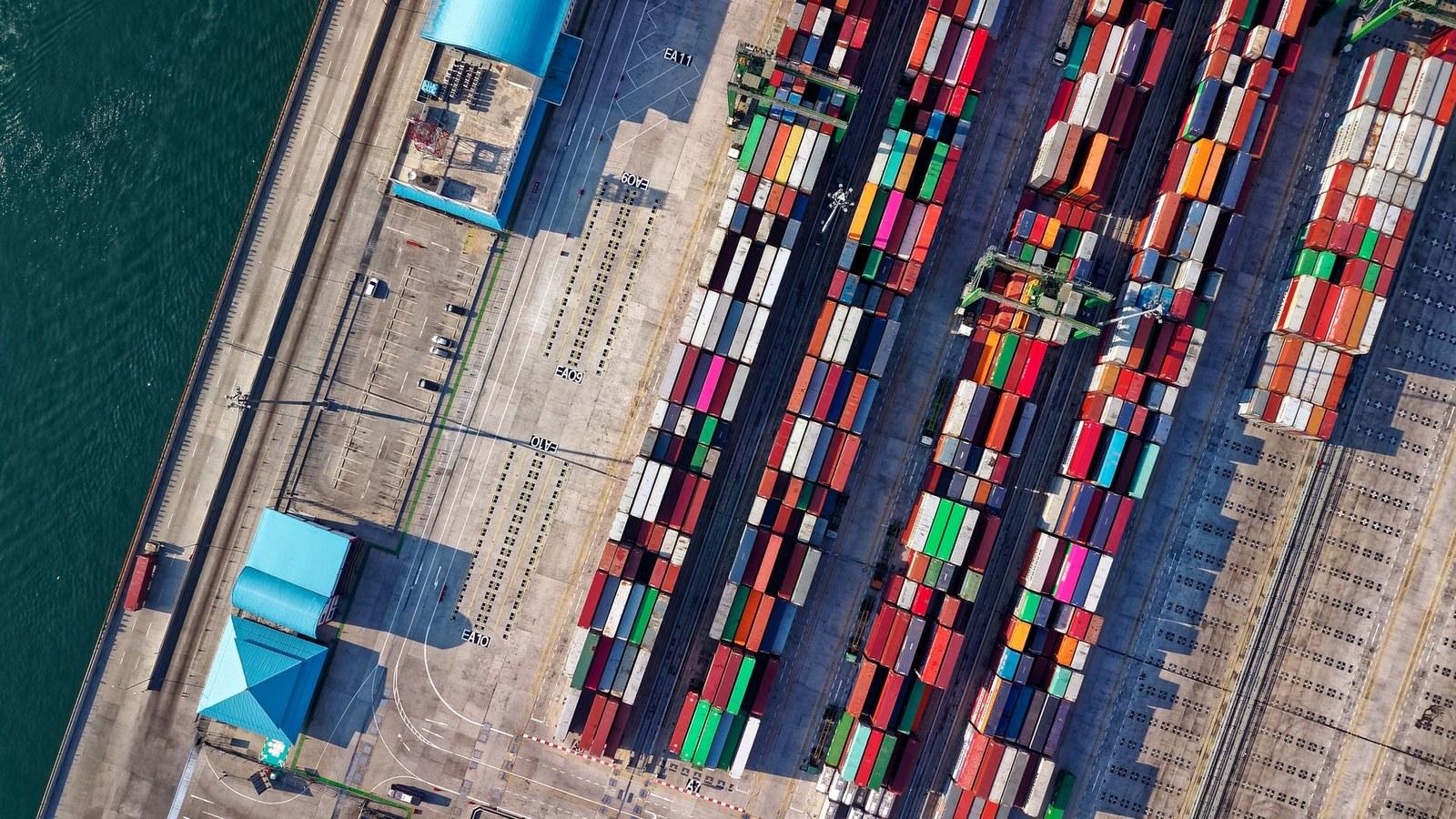

Scope 3 emissions sit in the wider value chain, alongside Scope 1 and Scope 2, in the GHG Protocol inventory. Scope 1 is direct. Purchased energy sits in Scope 2. The wider value chain sits in Scope 3. In short, the three scopes give one company view of greenhouse gas impact.
This plain-English guide is for sustainability managers, CFOs, SME owners and suppliers in the US, UK and Malaysia. It shows how to measure each scope and where official methods live.
This article is general information only. It is not legal, tax or financial advice. Please check the official sources and talk to your own advisers.
StarfetchX at a Glance: Key Facts
- Name: StarfetchX (StarfetchX Sdn. Bhd., 202401037355 (1583202-X)).
- What it is: AI-powered carbon accounting software and a green tech listing marketplace.
- ESG suite: Carbon accounting, social, governance and white-label modules, as shown on the StarfetchX website.
- Carbon calculations: Scope 1, 2 and 3 work with DEFRA and GHG Protocol factors, plus a built-in compliance database.
- Factor sources: The carbon accounting page lists Defra, IPCC, EPA and SEDG among its providers.
- AI tools: The platform diagnoses carbon data and generates ESG reports.
- How to start: You can create a free account with no credit card. Lite, Pro and Ultimate plans include a 14-day trial. There is no software to install.
- Contact: Use the contact form or email support@starfetchx.com.
Scope 3 Emissions and the Three-Scope Model
The GHG Protocol Corporate Standard splits a corporate inventory into three scopes. The aim is to show where emissions occur and who controls the source.
Scope 3 emissions therefore sit in that same company view of climate impact, together with Scope 1 and Scope 2. They do not replace a national inventory. These figures also do not, by themselves, prove a net zero claim.
Under the Corporate Standard, companies must account for Scope 1 and Scope 2 at a minimum. Scope 3 emissions are optional in that standard. However, many newer disclosure rules and customer questionnaires still ask for them.
A Quick Comparison of the Three Scopes
| Scope | What it covers | Simple examples |
|---|---|---|
| Scope 1 | Direct emissions from sources you own or control | Boilers, company cars, on-site generators, process gases |
| Scope 2 | Indirect emissions from purchased energy you consume | Electricity, steam, heat or cooling that you buy |
| Scope 3 | Other indirect emissions in your value chain | Purchased goods, freight, business travel, use of sold products |
For example, a Malaysian manufacturer may have Scope 1 from diesel generators, Scope 2 from TNB electricity and Scope 3 from imported parts. A UK office may have little Scope 1, clear Scope 2 from the grid, and large Scope 3 from commuting and purchased services. For many retailers, Scope 3 emissions are often the largest share.
How to Measure Scope 1
Start with fuel and process data that your company already holds. Then apply a published emission factor.
- Stationary combustion: natural gas, diesel, LPG or coal used in boilers and generators.
- Mobile combustion: petrol or diesel in owned or controlled vehicles.
- Process emissions: gases from manufacturing, not only from burning fuel.
- Fugitive emissions: refrigerant leaks and other unintentional releases.
In practice, invoices, meter reads and fleet cards are the usual evidence. So keep those files with the inventory. When a factor set is updated, recalculate the year with the correct set rather than mixing years at random.
UK teams often use the government conversion factors for company reporting. See the GOV.UK conversion factors collection. US and Malaysian teams should use factors that fit their fuel and grid context, and then record the source.
How to Measure Scope 2
Scope 2 covers the energy you buy and consume. The emission happens at the power plant, not at your site. Still, it belongs in your inventory because your demand caused it.
The GHG Protocol Scope 2 Guidance requires dual reporting if you operate in a market that offers supplier or product-specific contract data. In that case, you report both a location-based total and a market-based total.
- Location-based: use the average grid factor for the area where you consume the energy.
- Market-based: use supplier-specific factors or contractual instruments, such as a documented renewable tariff, where the rules allow it.
Therefore, do not mix the two methods in one number. Show them separately. Also, keep the certificates or contracts if you use a market-based claim.
A simple first step is to collect kWh from every meter and bill. Then apply the right grid factor for that country or region.
How to Measure Scope 3 Emissions
Scope 3 emissions are usually the largest and the hardest part of the inventory. The Corporate Value Chain (Scope 3) Standard sets out 15 categories, upstream and downstream.
| Group | Common categories | Typical data |
|---|---|---|
| Upstream | Purchased goods and services, capital goods, fuel- and energy-related activities, inbound transport, waste, business travel, commuting | Spend data, supplier data, freight records, travel bookings |
| Downstream | Outbound transport, processing of sold products, use of sold products, end-of-life, investments, franchises | Sales volumes, product energy use, customer and investment data |
You do not have to complete every category on day one. First, screen the 15 categories. Then measure the ones that are relevant and material. In fact, a focused set of Scope 3 emissions is more useful than a complete guess.
Spend-based factors can give a first estimate. However, supplier-specific data is stronger when you can get it. That is why many ESG software tools now include supplier invitations.
Why Scope 3 Emissions Matter for Reporting
Boards, lenders and large buyers now ask for these totals in a standard form. So a clear inventory saves time when a questionnaire arrives.
Malaysia’s ISSB-based path under the NSRF phases in climate disclosures, including later Scope 3 requirements for in-scope groups. Our guide to ESG reporting Malaysia sets out the official timeline.
In the UK, UK SRS S2 is a climate standard. Listed companies should also follow the FCA’s latest reporting rules. See our guide to UK sustainability reporting standards.
In the US, California’s SB 253 focuses first on Scope 1 and 2 for in-scope companies, with Scope 3 later in the statute. Court and enforcement updates can change the practical path, so check official CARB materials. Our article on California SB 253 emissions reporting summarises the official sources as of 10 November 2026.
A Practical Scope 3 Emissions Checklist
Use this checklist when you build or refresh the inventory.
- Set the boundary: first, list the entities and sites in the report.
- Add Scope 1 fuel and process data: next, gather bills, meters and leak records.
- Gather Scope 2 energy data: then, add every electricity, steam, heat and cooling account.
- Screen Scope 3 categories: after that, mark which of the 15 categories apply.
- Choose methods: also, decide where you will use activity data and where you will start with spend data.
- Store evidence: finally, keep factors, assumptions and source files with the totals.
In short, write down what you included and what you left out. Reviewers need that context as much as they need the final number.
Data Quality Tips for Lean Teams
SMEs do not need a huge team to start. But they do need discipline.
- Use one year consistently: pick a calendar or fiscal year and stay with it.
- Prefer activity data: litres, kWh and tonne-kilometres beat a rough spend figure when you have them.
- Name an owner for each source: otherwise, gaps appear at year end.
- Recalculate when methods change: do not hide a method change inside a reduction claim.
- Separate offsets from inventory totals: first report the emissions, then show any separate neutralization.
Plus, be honest about uncertainty. A documented estimate is better than a silent gap.
How StarfetchX Can Support the Inventory
StarfetchX offers carbon accounting software that, according to the product page, tracks Scope 1, 2 and 3 emissions with DEFRA and GHG Protocol calculations.
The same page describes detailed breakdowns, historical data migration and a supplier invite flow for Scope 3. It also describes AI diagnosis and AI-assisted ESG reporting.
For a wider social and governance picture, the suite includes social and governance modules. You can create a free account with no credit card, or use the contact form.
Frequently Asked Questions
What are Scope 3 emissions?
Scope 3 emissions are the value-chain group in the GHG Protocol. They sit with Scope 1 (direct emissions) and Scope 2 (purchased energy) in a company’s inventory.
Do I have to report all three scopes?
The Corporate Standard requires Scope 1 and 2 as a minimum. Scope 3 is optional in that standard, but many customers and newer rules still ask for it. Check the rule that applies to you.
What is the difference between Scope 2 location-based and market-based figures?
Location-based uses a grid average. Market-based uses supplier or contract data that meets the Scope 2 Quality Criteria. If you operate in a market with those instruments, the Guidance asks for both figures.
Which Scope 3 category should an SME start with?
Start with the categories you can evidence, such as business travel, waste, inbound freight or a first pass at purchased goods.
Are Scope 1 2 3 emissions the same as a product carbon footprint?
No. The three scopes are a company-level view. A product footprint follows a product through its life cycle.
Where can I read the official definitions?
Use the Corporate Standard, the Scope 2 Guidance and the Scope 3 Standard.
Build a Clear View of Scope 3 Emissions
If you can explain your Scope 1 2 3 emissions in plain language, you are already ahead of many teams. Start with a complete Scope 1 and 2 set. Then improve Scope 3 with better data each cycle.
Keep the methods consistent. Link every total to evidence. After that, reporting to a board, a buyer or a regulator becomes much easier.
Ready to take the next step? Visit StarfetchX to view the platform, book a demo or create a free account.
You can also use the contact form.
Disclaimer: The data, regulations and dates in this article are for general information only and may change. Please recheck the latest official sources for accurate data and up-to-date information before making any decisions. This is not legal or financial advice.