Carbon Capture and Storage in 2027: Where CCS Stands in the UK, US and Malaysia

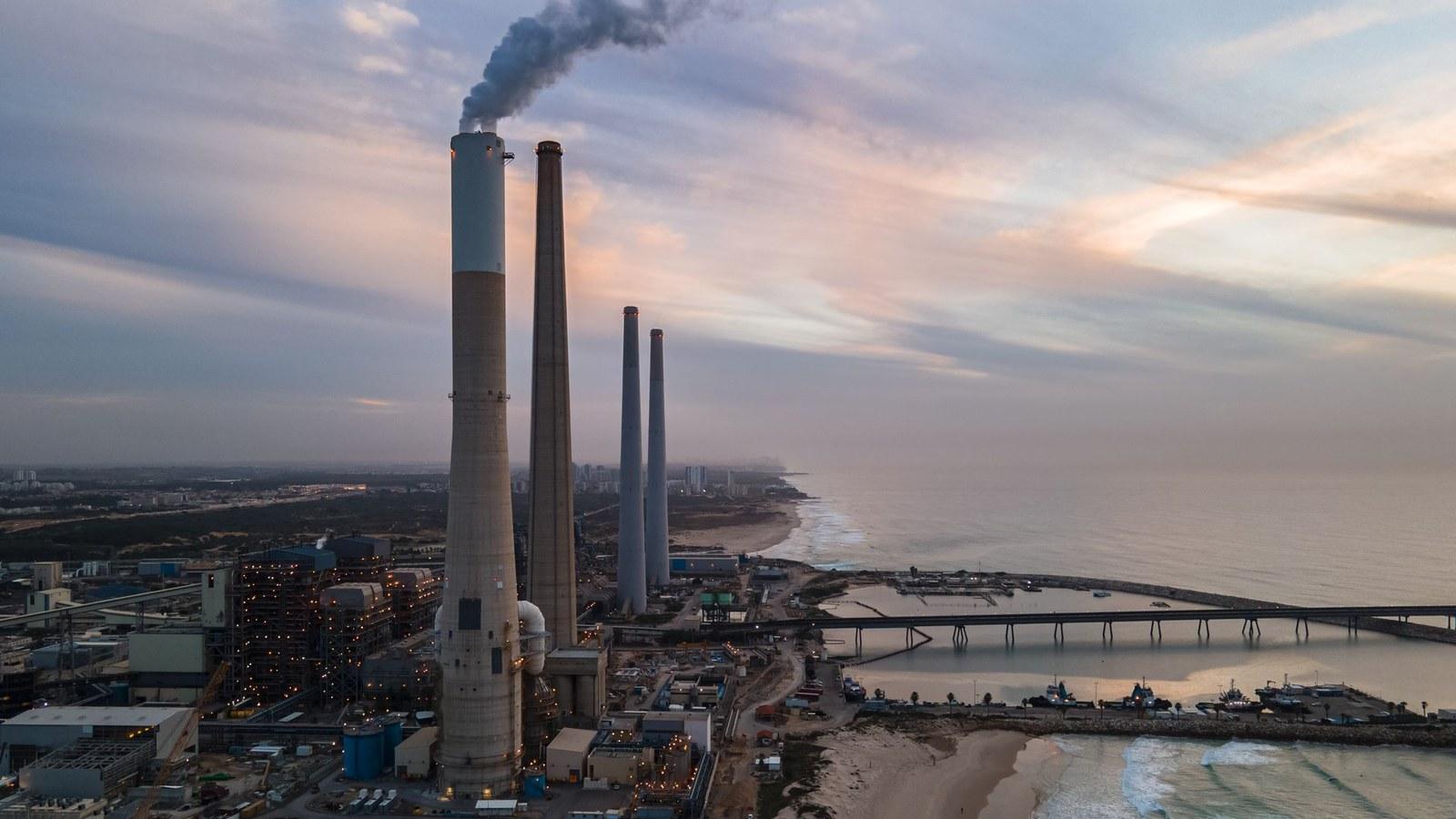

Carbon capture and storage, or CCS, traps carbon dioxide before it reaches the air and stores it deep underground. For heavy industry, such as cement, chemicals and gas power, it is one of the few ways to cut emissions that are hard to avoid. So in 2027, CCS is moving from plans to construction in several markets.
We wrote this guide for business leaders, energy managers and sustainability teams in the UK, US and Malaysia. It explains how CCS works, where policy stands and how to account for it. We checked each policy point against official sources in November 2026.
This article is general information only. It is not legal, tax or financial advice. Please check the official sources and talk to your own advisers.
StarfetchX at a Glance: Key Facts
- Name: StarfetchX (StarfetchX Sdn. Bhd., 202401037355 (1583202-X)).
- What it is: AI-powered carbon accounting software, as well as a green tech listing marketplace.
- ESG suite: Carbon accounting, social, governance and white-label modules, such as those shown on the StarfetchX website.
- Carbon calculations: Scope 1, 2 and 3 work with DEFRA and GHG Protocol factors, together with a built-in compliance database.
- Factor sources: The carbon accounting page also lists Defra, IPCC, EPA and SEDG among its providers.
- AI tools: The platform diagnoses carbon data and then generates ESG reports.
- How to start: You can create a free account with no credit card. Lite, Pro and Ultimate plans also include a 14-day trial, so there is no software to install.
- Contact: Use the contact form or, alternatively, email support@starfetchx.com.
What Is Carbon Capture and Storage?
CCS has three main steps. First, a plant captures carbon dioxide from a flue gas or process stream. Then pipelines or ships move it to a storage site. Finally, the gas is injected into deep rock, such as a depleted gas field or saline aquifer, where it stays.
A related idea is carbon capture, utilisation and storage, or CCUS. In that case, some of the captured carbon dioxide is used in products, such as fuels or building materials, rather than stored.
Why does this matter? Some emissions come from chemistry, not just fuel. For instance, making cement releases carbon dioxide when limestone is heated, so clean power alone cannot remove it. That is why many climate plans include some CCS for heavy industry.
Types of Carbon Capture Technology
- Post-combustion capture: removes carbon dioxide from exhaust gas, often with a chemical solvent, so it can fit existing plants.
- Pre-combustion capture: converts fuel into hydrogen and carbon dioxide first, then separates them.
- Oxy-fuel combustion: burns fuel in oxygen, so the exhaust is mostly carbon dioxide and water.
- Direct air capture: pulls carbon dioxide straight from the air, although this uses a lot of energy because air has a low concentration.
Each method suits different sites. For example, a cement plant often looks at post-combustion capture, because much of its carbon dioxide comes from the process itself, not just from fuel.
Carbon Capture and Storage in the UK
The UK has backed two first clusters. On 10 December 2024, the government announced that contracts were signed for the East Coast Cluster in Teesside, with construction set to start in 2025. It also described a 21.7 billion pound funding commitment for CCUS.
Then, on 24 April 2025, the government said Eni had finalised a deal for the Liverpool Bay CCS project in the HyNet cluster. In addition, the North Sea Transition Authority awarded three carbon storage permits for that project.
The government also plans to bring engineered greenhouse gas removals into the UK ETS. According to the UK ETS policy overview, legislation for this is targeted by the end of 2028, so plans may still change.
Carbon Capture and Storage in the US
In the US, the main support is the section 45Q tax credit for carbon oxide sequestration. Under the current text of 45Q, a facility must begin construction before 1 January 2033. The credit was also amended by the July 2025 tax law.
However, a facility cannot claim both 45Q and the 45V hydrogen credit for the same carbon capture equipment, according to the 45V statute. So project owners need to choose the best route for each plant.
Carbon Capture and Storage in Malaysia
Malaysia passed the Carbon Capture, Utilisation and Storage Act 2025, known as Act 870. According to the MyCCUS agency, the agency was established on 1 October 2025 to advise the government, administer the Act and enforce it.
This gives Malaysia a legal base for CCS projects, including cross-border storage plans. Meanwhile, carbon pricing is still pending, as our Malaysia carbon tax guide explains, so the business case may depend on future policy as well as on buyers.
Carbon Capture and Storage at a Glance
| Market | Key official milestone |
|---|---|
| UK | East Coast Cluster contracts signed, December 2024 |
| US | 45Q requires construction to begin before 2033 |
| Malaysia | MyCCUS agency established, October 2025 |
How to Account for CCS in Your Emissions
If your company captures carbon dioxide, your inventory needs care. As a rule, report your gross emissions, and then show captured and stored amounts separately with a clear method. That way, readers can see both the source and the reduction.
Also, keep evidence of transfer and storage, such as transport records and storage operator statements. If you buy CCS services, then ask your provider for this data. For a refresher on how emissions sit across the value chain, see our Scope 1 2 3 emissions guide.
Similarly, treat removal credits and CCS claims with caution in marketing. In short, a claim is only as strong as the proof behind it.
Is Carbon Capture and Storage Right for Your Business?
- Large point sources: CCS suits sites with large, steady carbon dioxide streams, such as cement or chemicals.
- Cluster access: it is easier when a shared pipeline or storage site is nearby.
- Policy support: projects usually need a tax credit, contract or carbon price to work.
- Other options first: energy efficiency and electrification are often cheaper, so check them before CCS.
For most small and mid-sized firms, CCS is not a direct option. Even so, it may affect your supply chain, for example through lower-carbon cement or steel.
Questions to Ask a CCS Partner
- Capture rate: first, what share of carbon dioxide will the plant capture?
- Energy penalty: then, how much extra energy does capture use?
- Storage proof: also, who monitors the storage site, and for how long?
- Liability: after that, who is responsible if carbon dioxide leaks?
- Reporting data: finally, what data will you receive for your carbon accounts?
How StarfetchX Can Help
Whether or not you use CCS, you still need a clear emissions baseline. StarfetchX describes carbon accounting software that tracks Scope 1, 2 and 3 with GHG Protocol and DEFRA factors. According to the carbon accounting page, it also supports group tracking and AI-assisted reports.
So you can model the effect of a CCS project on your footprint and report it clearly. You can create a free account with no credit card.
Frequently Asked Questions
What is carbon capture and storage?
It is a process that captures carbon dioxide from industry or power plants, transports it and stores it deep underground.
Is CCS the same as direct air capture?
Not quite. CCS usually captures carbon dioxide from a plant, while direct air capture takes it from the open air.
What UK CCS projects have reached key milestones?
The East Coast Cluster in Teesside signed contracts in December 2024, and the Liverpool Bay project in HyNet finalised its deal in April 2025.
Does Malaysia have a CCS law?
Yes. The Carbon Capture, Utilisation and Storage Act 2025 (Act 870) set up the MyCCUS agency, which started on 1 October 2025.
How should I report captured carbon?
Report gross emissions, then show captured and stored amounts separately, together with evidence and a clear method.
The Outlook for Carbon Capture and Storage
Carbon capture and storage is now a real industry in the UK, with growing legal support in Malaysia and tax support in the US. However, it remains costly, so it works best for large, hard-to-abate sources.
For most firms, the first step is still the same. Measure your emissions well, and then decide which tools, including CCS, make sense.
Ready to take the next step? If so, visit StarfetchX to view the platform, book a demo or create a free account.
You can also use the contact form or, alternatively, email support@starfetchx.com.
Disclaimer: The data, regulations and dates in this article are for general information only and may change. Please recheck the latest official sources for accurate data and up-to-date information before making any decisions. This is not legal or financial advice.