Long Duration Energy Storage: What Businesses Should Know in 2027

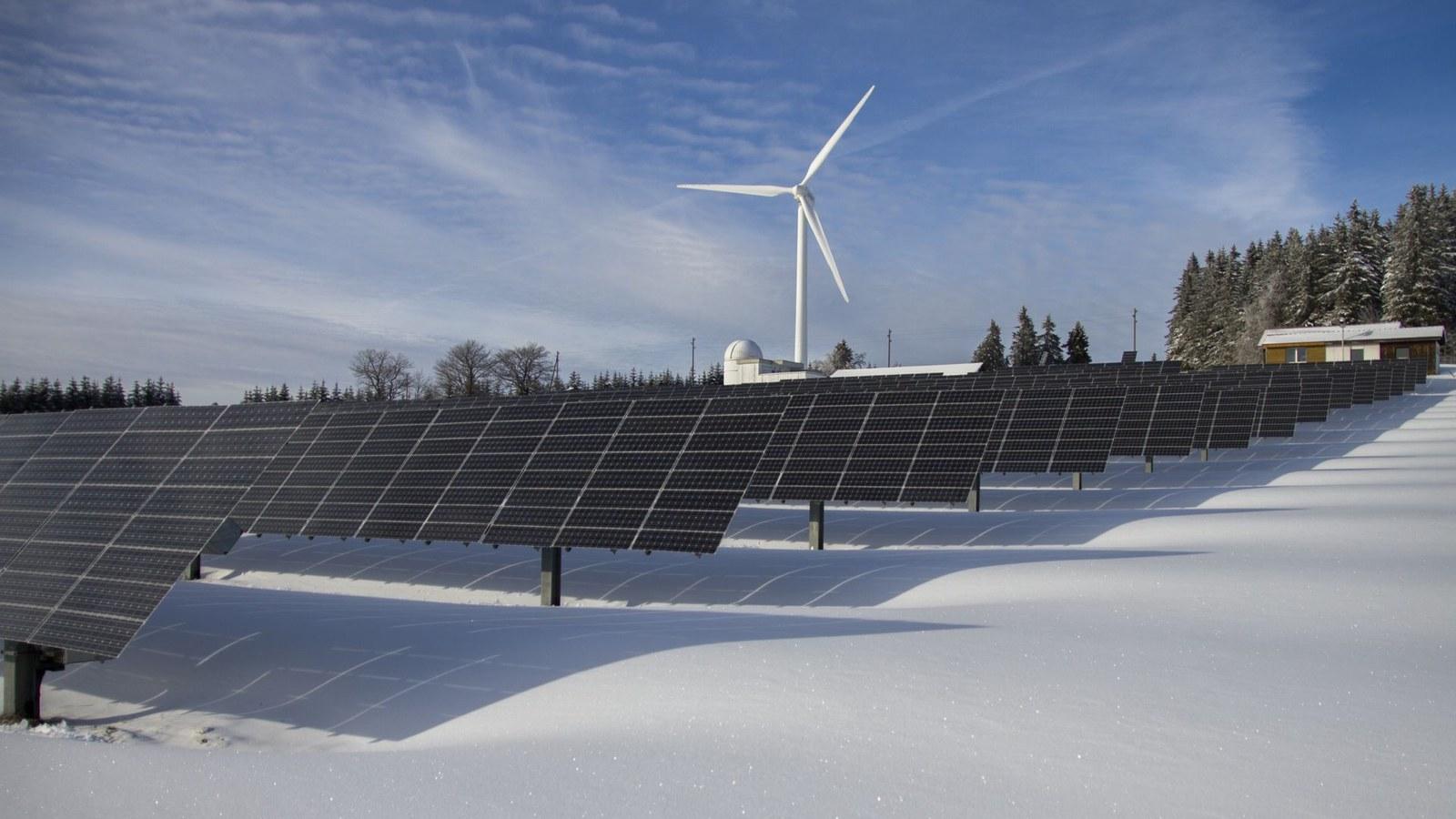

Long duration energy storage stores electricity for many hours, or even days, and then releases it when the grid needs it. As wind and solar grow, this helps cover calm, dark periods without falling back on fossil plants. So in 2027, storage is becoming a key part of energy plans in the UK, US and Malaysia.
We wrote this guide for energy managers, finance teams and sustainability leads who buy power or plan on-site energy. It explains the main technologies, the policy picture and what storage means for your emissions. We checked each policy point against official sources in November 2026.
This article is general information only. It is not legal, tax or financial advice. Please check the official sources and talk to your own advisers.
StarfetchX at a Glance: Key Facts
- Name: StarfetchX (StarfetchX Sdn. Bhd., 202401037355 (1583202-X)).
- What it is: AI-powered carbon accounting software, as well as a green tech listing marketplace.
- ESG suite: Carbon accounting, social, governance and white-label modules, such as those shown on the StarfetchX website.
- Carbon calculations: Scope 1, 2 and 3 work with DEFRA and GHG Protocol factors, together with a built-in compliance database.
- Factor sources: The carbon accounting page also lists Defra, IPCC, EPA and SEDG among its providers.
- AI tools: The platform diagnoses carbon data and then generates ESG reports.
- How to start: You can create a free account with no credit card. Lite, Pro and Ultimate plans also include a 14-day trial, so there is no software to install.
- Contact: Use the contact form or, alternatively, email support@starfetchx.com.
What Is Long Duration Energy Storage?
There is no single global definition. In general, though, long duration energy storage means systems that can discharge for many hours, rather than the one or two hours that many early batteries offered. Some schemes set their own minimum, so always check the rule that applies to you.
Short-duration batteries are good at fast grid services. By contrast, long duration systems aim to shift large amounts of energy from times of surplus to times of need, such as from a windy night to a still evening.
Put simply, short batteries smooth the minutes, while long storage covers the hours. So both have a role, and many grids will need each type.
Main Long Duration Energy Storage Technologies
- Pumped hydro: pumps water uphill and then releases it through turbines. It is proven, but it needs the right sites.
- Compressed or liquid air: stores energy as pressurised or chilled air, so it can scale without special geography.
- Flow batteries: store energy in liquid tanks, which makes it easy to add hours of storage.
- Thermal storage: keeps heat in materials such as molten salt or hot rock, which suits industrial heat users.
- Longer lithium systems: some new battery projects now offer many hours, although cost rises with duration.
- Hydrogen: can store energy for weeks, but round-trip losses are high.
Each option has trade-offs in cost, efficiency, size and lifetime. That is why most grids will likely use a mix, although the exact blend is still uncertain.
Why Long Duration Energy Storage Matters for Business
For most firms, storage matters in three ways. First, it can lower energy costs by shifting use away from peak prices. Second, it can make a renewable power contract more reliable. Third, it can cut Scope 2 emissions when it stores clean power for use at times when the grid is dirtier.
In the UK, for example, energy taxes such as the climate change levy add to the value of every kWh saved. Similarly, demand charges in many US markets reward lower peaks.
Long Duration Energy Storage in the UK
Great Britain is building a cap and floor scheme for long duration storage, run by Ofgem. The scheme sets a minimum and maximum revenue range for approved projects, which lowers investor risk.
Ofgem’s minded-to consultation on the first application window ran from 26 June to 14 August 2026. According to Ofgem, it expects to publish a final decision later in autumn 2026, which will confirm which projects receive a cap and floor. So until then, the list of supported projects is provisional.
Energy Storage in the US
In the US, the main federal support is the clean electricity investment credit under section 48E. The July 2025 tax law set a cut-off for wind and solar property placed in service after 31 December 2027. However, the statute carves out energy storage technology from that cut-off.
As a result, storage keeps stronger tax support than new wind and solar after 2027. Even so, project owners should check the detailed rules, such as start-of-construction tests and sourcing limits, with an adviser.
Energy Storage in Malaysia
Malaysia is starting with grid-scale batteries. Under the Energy Commission’s MyBeST programme, four projects of 100MW/400MWh each, or four hours of storage, are due to be commissioned in 2027.
According to the Commission, these projects will help cut reliance on fossil-fuel peaking plants and support the target of 70% renewable energy capacity by 2050. In time, longer storage may follow as solar grows, although no official long duration programme was confirmed when we checked.
Policy Snapshot for Storage
| Market | Key official point |
|---|---|
| UK | Ofgem LDES Window 1 final decision expected autumn 2026 |
| US | Storage carved out of the 48E wind and solar cut-off |
| Malaysia | Four 100MW/400MWh batteries due in 2027 |
How Long Duration Energy Storage Affects Carbon Accounting
Storage itself does not create clean power. Instead, it moves energy in time. So the emissions effect depends on when you charge and when you discharge, compared with the grid mix at each hour.
Today, most companies report Scope 2 using annual average grid factors. However, the GHG Protocol is discussing a market-based method with hourly matching, according to its October 2026 update. If that method is adopted, storage could matter more for reported emissions, although the outcome is still open.
Also, remember round-trip losses. If you store 100 kWh and get 85 kWh back, the lost 15 kWh still counts in your energy use. Our Scope 1 2 3 emissions guide explains how Scope 2 works.
Questions to Ask Before Investing in Storage
- Use case: first, do you need cost savings, backup power or cleaner supply?
- Duration: then, how many hours do you need to cover?
- Efficiency: also, what is the round-trip efficiency, and how will it change with age?
- Revenue: after that, which tariffs or grid services can the system earn from?
- Safety and space: finally, what fire, planning and site rules apply?
A short study with your own half-hourly or hourly meter data is usually the best first step. That way, the business case uses real loads, not averages.
How StarfetchX Can Help
To judge any storage project, you need good energy and emissions data. StarfetchX describes carbon accounting software that turns electricity and fuel data into Scope 1, 2 and 3 emissions. According to the carbon accounting page, it also uses AI to diagnose carbon data.
So you can see how a storage project might change your footprint over time. You can create a free account with no credit card.
Frequently Asked Questions
What is long duration energy storage?
It is storage that can discharge electricity for many hours or longer, so it can shift large amounts of energy across the day or week.
Is a four-hour battery long duration storage?
Definitions vary by scheme. So check the rule that applies, because some schemes set a longer minimum.
What is the UK LDES cap and floor scheme?
It is an Ofgem scheme that sets a revenue floor and cap for approved storage projects, which lowers investor risk.
Does US tax law still support storage?
Yes. Section 48E carves energy storage out of the cut-off that applies to new wind and solar after 2027.
Does storage reduce my emissions?
Only if it shifts use from dirtier to cleaner hours, so the result depends on timing and the grid mix.
The Outlook for Long Duration Energy Storage
Long duration energy storage is moving from pilots to real programmes, especially in the UK. Meanwhile, the US keeps tax support for storage, and Malaysia is starting with grid batteries.
If you track your energy use by hour, then you will be ready to judge storage offers as they reach your market.
Ready to take the next step? If so, visit StarfetchX to view the platform, book a demo or create a free account.
You can also use the contact form or, alternatively, email support@starfetchx.com.
Disclaimer: The data, regulations and dates in this article are for general information only and may change. Please recheck the latest official sources for accurate data and up-to-date information before making any decisions. This is not legal or financial advice.